Share the page

TAJDID - Treatment of wastewater and Agricultural reuse in Jenin west for Development, Investment and Decentralization
Project

-
Project start date
-
Status
Ongoing
-
Project end date
-
-
Project duration
-
5 years
-
AFD financing amount
-
€ 15 000 000
-
Country and region
-
Location
-
Jenin west
-
Type of financing
-
Beneficiaries
-
Palestinian Authority
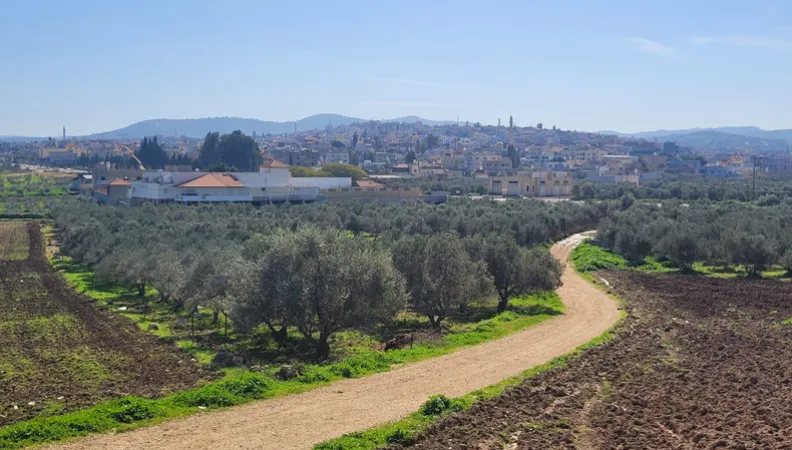
The TAJDID project aims to establish a comprehensive, sustainable sanitation system across ten municipalities west of Jenin in the northern West Bank, and to develop a treat-ed-wastewater reuse scheme to irrigate agricultural land.
Context
Water access and groundwater contamination are among the most critical environmental challenges in Palestine. In the West Bank, increasing demographic pressure and fragmented governance exacerbate stress on water resources.
Currently, most households rely on cesspits and septic tanks, causing groundwater pollution and health risks. By introducing collective and semi-collective wastewater management systems, TAJDID will eliminate uncontrolled discharges, protect water resources, and generate a new, non-conventional source of water for agriculture.
Description
The project encompasses the full sanitation chain — from wastewater collection and treatment to the reuse of treated effluent for irrigation — providing safe, affordable, and climate-resilient sanitation services to the population.
The project will strengthen the Jenin West Water Utility, the first officially recognized regional operator in Palestine (2023), by supporting its institutional development. This aligns with the 2014 Palestinian Water Law which assigns service delivery responsibilities to local utilities.
The project is fully aligned with AFD’s sectoral strategy in Palestine and the Palestinian Water Authority’s National Water and Wastewater Strategy, which prioritizes integrated resource management, decentralized service delivery, and climate resilience.
The total project cost amounts to EUR 36 million, including EUR 15 million financed by AFD, EUR 11.2 million from KfW, EUR 9 million from the European Union delegated to AFD (EUR 5.5 million in 2026 and a EUR 3.5 million expected in 2027) and EUR 1 million from JWWU.
Impacts
TAJDID will substantially improve public health and living standards by providing access to safely managed sanitation services at an affordable cost to over 83,000 residents by 2045. It will reduce exposure to wastewater-related diseases, improve hygiene and environmental conditions, and enhance the overall urban environment.
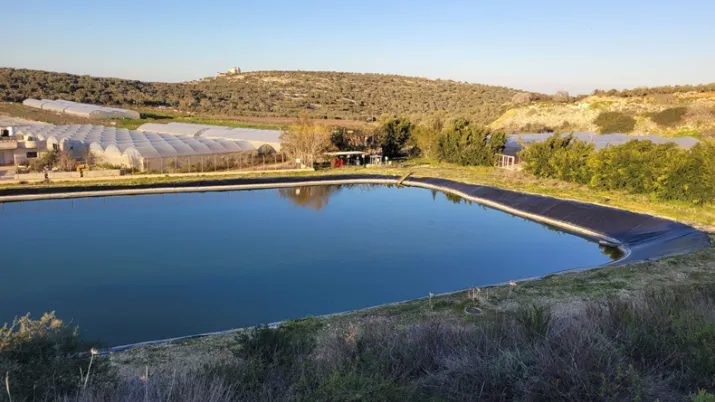
Environmentally, the project will reduce wastewater infiltration into the soil, protecting groundwater quality in the Jenin aquifer. The reuse of treated wastewater will provide farmers with a reliable, sustainable source of irrigation water, reducing pressure on overexploited aquifers and strengthening resilience to climate change impacts.
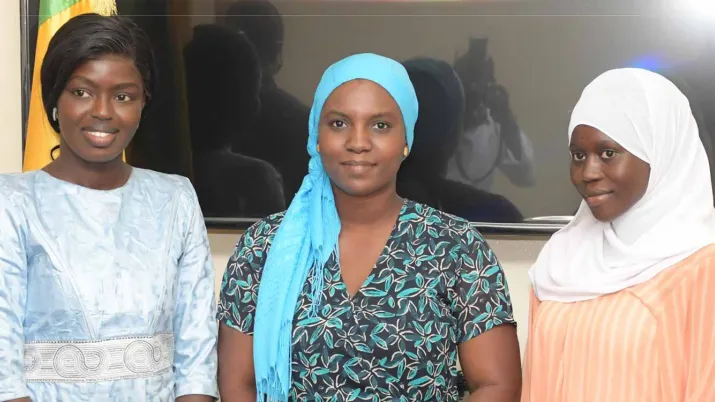
At the institutional level, the project will reinforce JWWU’s technical, financial, and managerial capacities to ensure long-term service sustainability. It will also promote gender inclusion and the participation of women in water and sanitation governance.